

Beyond the ordinary
JEWISH FESTIVALS

THE SABBATH
Why Shabbath is included with the OT festivals
In the Torah, the Sabbath is treated as a weekly “appointed time” that comes before the annual feasts. It’s the foundation rhythm for Israel’s worship calendar.
NKJV (key text):
-
Leviticus 23:3 — “the seventh day is a Sabbath of solemn rest… a holy convocation…”
So, even though it’s weekly, it’s still listed among the LORD’s appointed times.
What the Sabbath is (in the OT)
1) A holy day set apart to God
NKJV:
-
Exodus 20:8 — “Remember the Sabbath day, to keep it holy.”
“Holy” means it’s set apart—not just a day off, but a day belonging to God.
2) A day of rest from ordinary work
The command includes stopping normal labor (you, children, servants, even animals).
NKJV (snippet):
-
Exodus 20:10 — “you shall do no work…”
3) A day of gathering for worship (“holy convocation”)
Leviticus describes Sabbath as a day of assembly.
NKJV:
-
Leviticus 23:3 — “a holy convocation…”
That’s why Sabbath is not only rest, but also worship/community devotion.
The big OT reasons God gives for Sabbath
A) Creation: God’s pattern of work and rest
NKJV (snippets):
-
Genesis 2:2 — “on the seventh day God ended His work… and He rested”
-
Genesis 2:3 — “Then God blessed the seventh day and sanctified it”
So Sabbath reaches back to creation order.
B) Covenant sign: a marker of Israel’s relationship with God
NKJV (snippet):
-
Exodus 31:13 — “Surely My Sabbaths you shall keep… a sign between Me and you”
In the OT, Sabbath functioned like a visible covenant marker for Israel.
C) Compassion + freedom: rest for everyone, not just the powerful
Deuteronomy emphasizes rest for servants and ties Sabbath to Israel’s deliverance.
NKJV (snippet):
-
Deuteronomy 5:14 — “that your male servant and your female servant may rest as well as you”
-
Deuteronomy 5:15 — “you were a slave in the land of Egypt… therefore… keep the Sabbath day”
So Sabbath also teaches justice, mercy, and human dignity.
How Sabbath relates to the annual feasts
Many yearly festivals include days described as Sabbath-like rest (special rest days), but the weekly Sabbath is the recurring anchor.
Example:
-
Day of Atonement has Sabbath-rest language (Leviticus 16:31; 23:32).
Common Messianic / prophetic theme (Christian interpretation)
Many Christians see Sabbath as pointing to ultimate rest—God’s completed work and a future fullness of peace/restoration (often connected with Hebrews 4:9–10).
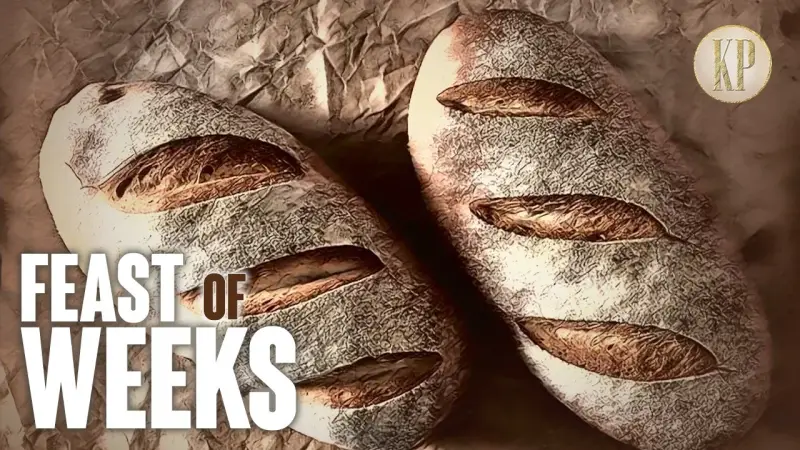
Feast of Weeks — Shavuot (שָׁבוּעוֹת)
Shavuot means “Weeks.” It’s called the Feast of Weeks because it is celebrated after counting seven full weeks from the Firstfruits offering. In Greek it’s later called Pentecost (“fiftieth”), because it falls on the 50th day.
When it is (OT timing)
Shavuot happens 50 days after Firstfruits.
NKJV:
-
Leviticus 23:15 — “you shall count for yourselves from the day after the Sabbath… seven Sabbaths shall be completed.”
-
Leviticus 23:16 — “Count fifty days… then you shall offer a new grain offering to the LORD.”
This counting period is often called “the counting of the Omer.”
What was celebrated
Shavuot is tied to the grain harvest, especially the wheat harvest, and it’s a festival of thanksgiving for God’s provision.
NKJV:
-
Exodus 34:22 — “the Feast of Weeks, of the firstfruits of wheat harvest…”
What Israel was commanded to do
-
A holy assembly (rest day)
-
Leviticus 23:21 (NKJV) — “You shall proclaim on the same day that it is a holy convocation…”
-
Bring offerings—especially two leavened loaves
A unique feature: two loaves baked with leaven are waved before the LORD.
NKJV:
-
Leviticus 23:17 — “You shall bring… two wave loaves… they shall be baked with leaven. They are the firstfruits to the LORD.”
-
Rejoice and include the vulnerable
God specifically commands generosity and inclusion.
NKJV:
-
Deuteronomy 16:11 — “You shall rejoice… you and your son and your daughter… the Levite… the stranger and the fatherless and the widow…”
-
Leviticus 23:22 — “you shall not wholly reap… you shall leave them for the poor and the stranger…”
Jewish traditional association
While the Torah emphasizes harvest and counting, Jewish tradition later strongly connects Shavuot with the giving of the Torah at Mount Sinai (covenant and instruction).
Messianic / prophetic context (Christian interpretation)
Many Christians connect Shavuot with Acts 2, when the Holy Spirit was poured out and a large “first harvest” of believers was gathered.
-
Acts 2:1 (NKJV) — “When the Day of Pentecost had fully come…”
-
Acts 2:41 (NKJV) — “about three thousand souls were added…”
So, in this common Christian reading:
-
Firstfruits → resurrection “first”
-
Weeks/Pentecost → harvest/ingathering and empowerment by the Spirit
1) Feast of Trumpets — Yom Teruah (יוֹם תְּרוּעָה)
Meaning: “Day of Blasting/Shouting” (shofar blast)
When it is
-
1st day of the 7th month (Tishri)
NKJV:
-
Leviticus 23:24 — “In the seventh month, on the first day of the month, you shall have a sabbath-rest, a memorial of blowing of trumpets, a holy convocation.”
What it is about (OT)
-
A holy assembly marked by shofar/trumpet blasts
-
A call to remember, wake up spiritually, and prepare for the solemn days ahead (leading toward Atonement)
Messianic / prophetic (Christian interpretation)
Christians often connect trumpet imagery with the future gathering/return themes:
-
1 Thessalonians 4:16 (NKJV) — “with the trumpet of God…”
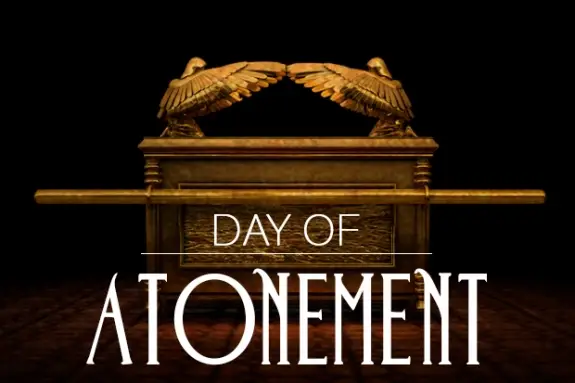
2) Day of Atonement — Yom Kippur (יוֹם כִּפּוּר)
Meaning: “Day of Atonement / Covering”
When it is
-
10th day of the 7th month
NKJV:
-
Leviticus 23:27 — “on the tenth day of this seventh month shall be the Day of Atonement.”
What it is about (OT)
This is the most solemn day in the biblical calendar:
-
a holy convocation
-
a day to afflict your souls (fasting/humbling yourself)
-
the high priest performs special atonement rituals (Leviticus 16)
NKJV:
-
Leviticus 16:30 — “For on that day the priest shall make atonement for you, to cleanse you, that you may be clean from all your sins before the LORD.”
-
Leviticus 23:32 — “It shall be to you a sabbath of solemn rest…”
Messianic / prophetic (Christian interpretation)
Many Christians connect Yom Kippur to the Messiah’s priestly atonement:
-
Hebrews 9:12 (NKJV) — “with His own blood He entered the Most Holy Place once for all, having obtained eternal redemption.”
3) Feast of Tabernacles — Sukkot (סֻכּוֹת)
Meaning: “Booths” (temporary shelters)
When it is
-
15th–21st of the 7th month
NKJV:
-
Leviticus 23:34 — “The fifteenth day of this seventh month shall be the Feast of Tabernacles… for seven days to the LORD.”
What it is about (OT)
Sukkot is joyful and commemorative:
-
Israel lives in booths to remember the wilderness journey
-
celebrates God’s provision and protection
-
includes sacred assemblies
NKJV:
-
Leviticus 23:42–43 — “You shall dwell in booths for seven days… that your generations may know that I made the children of Israel dwell in booths when I brought them out of the land of Egypt.”
Messianic / prophetic (Christian interpretation)
Christians often connect “dwelling/tabernacling” with God’s presence among His people:
-
John 1:14 (NKJV) — “And the Word became flesh and dwelt among us…”
And with future restoration: -
Revelation 21:3 (NKJV) — “Behold, the tabernacle of God is with men…”
4) Eighth Day Assembly — Shemini Atzeret (שְׁמִינִי עֲצֶרֶת)
Meaning: “Eighth (day) Assembly / Solemn Gathering”
When it is
-
The day after the 7 days of Sukkot (often counted as 22nd of Tishri)
NKJV:
-
Leviticus 23:36 — “On the eighth day you shall have a sacred assembly…”
What it is about (OT)
-
A closing sacred assembly after the great feast
-
A sense of completion—lingering in God’s presence after the celebration
Messianic / prophetic (Christian interpretation)
Often viewed as pointing to final completion/new beginning themes—God’s ultimate kingdom and eternal fellowship (often connected to Revelation 21–22).

The Passover/Pesach
Passover (Pesach – פֶּסַח) is the first major biblical festival in the Torah. It remembers God’s rescue of Israel from Egypt and the night God “passed over” the homes marked by the lamb’s blood.
What “Pesach” means
Pesach is commonly understood in the Passover story as “to pass over / spare / protect.” In the event, God spared the Israelite households that obeyed His instructions.
When Passover is (OT)
-
Date: 14th day of the first month (Nisan/Abib)
-
Key references (NKJV): Exodus 12, Leviticus 23:5, Numbers 28:16, Deuteronomy 16:1–2
NKJV (snippet):
-
Leviticus 23:5 — “On the fourteenth day of the first month at twilight is the LORD’s Passover.”
The Passover story (what happened)
In Exodus 12, God announced the 10th plague: the death of the firstborn in Egypt. Israel was commanded to:
-
Select a lamb (unblemished)
-
Kill it at twilight
-
Put its blood on the doorposts and lintel
-
Eat the lamb with unleavened bread and bitter herbs
-
Be ready to leave Egypt immediately
NKJV (key lines):
-
Exodus 12:7 — “they shall take some of the blood and put it on the two doorposts and on the lintel…”
-
Exodus 12:8 — “Then they shall eat the flesh… with unleavened bread and with bitter herbs…”
-
Exodus 12:11 — “It is the LORD’s Passover.”
-
Exodus 12:13 — “when I see the blood, I will pass over you…”
That night, Israel was spared, and Pharaoh finally let them go.
What Passover teaches in the OT
1) Deliverance by God’s power
Passover is about God rescuing His people from slavery—something they could not do on their own.
2) Substitution and protection
The lamb’s death is connected with protection of the household—life preserved through obedience to God’s sign.
3) Covenant memory (a perpetual memorial)
God commanded Israel to remember this every year.
NKJV (snippet):
-
Exodus 12:14 — “this day shall be to you a memorial… you shall keep it as a feast… forever.”
Passover and the Feast of Unleavened Bread
Passover begins a season:
-
Passover: 14 Nisan
-
Unleavened Bread: 15–21 Nisan (the next day begins a 7-day feast)
See Leviticus 23:5–6.
Messianic / prophetic significance (Christian interpretation)
Many Christians see Passover as foreshadowing the Messiah’s redemptive sacrifice—deliverance through a “lamb” and salvation by God’s provision (often linked with passages like 1 Corinthians 5:7 and Gospel Passion narratives). Jewish tradition focuses on God’s historical redemption of Israel from Egypt.
Messianic / Prophetic significance of Passover (Christian interpretation)
1) The Passover lamb as a picture of the Messiah
-
The lamb had to be without blemish (Exodus 12:5), which Christians connect to the Messiah’s sinlessness.
-
NKJV (snippet): 1 Peter 1:19 — “as of a lamb without blemish and without spot…”
Many Christians see this as a deliberate echo of Passover’s lamb requirements.
2) Blood as the sign of deliverance
In Exodus, the blood on the doorposts marked a household for protection from judgment.
-
NKJV (snippet): Exodus 12:13 — “when I see the blood, I will pass over you…”
Christians often connect this to salvation/redemption language in the New Testament:
-
NKJV (snippet): Ephesians 1:7 — “In Him we have redemption through His blood…”
3) Substitution and “life for life”
Passover carries a strong “substitution” theme: a lamb dies and the firstborn lives.
This is commonly connected to the Messiah’s death “for us.”
-
NKJV (snippet): 2 Corinthians 5:21 — “He made Him… to be sin for us…”
4) “Messiah = our Passover”
The clearest direct statement:
-
NKJV (snippet): 1 Corinthians 5:7 — “Christ, our Passover, was sacrificed for us.”
That’s the New Testament’s explicit link between Passover and the Messiah.
5) The Last Supper as Passover context
The Gospels place Jesus’ final meal with His disciples in Passover season (often understood as a Passover meal or Passover-related meal, depending on how one harmonizes the timelines).
He speaks of His body and blood in covenant language:
-
NKJV (snippet): Luke 22:20 — “This cup is the new covenant in My blood…”
Christians read this as the Messiah giving Passover a deeper “new covenant” meaning.
6) Bones not broken (Passover detail echoed)
Passover instructions include not breaking the lamb’s bones:
-
Exodus 12:46 (instruction)
The Gospel of John connects this to Jesus’ crucifixion: -
NKJV (snippet): John 19:36 — “Not one of His bones shall be broken.”
7) From Exodus redemption to greater redemption
Passover celebrates freedom from slavery in Egypt; Christians see a parallel “greater Exodus”:
-
from bondage to sin/death into life with God.
-
NKJV (snippet): John 1:29 — “Behold! The Lamb of God who takes away the sin of the world!”
8) The Lamb theme continues to the end of the Bible
Passover’s lamb imagery becomes a major worship theme in Revelation:
-
NKJV (snippet): Revelation 5:12 — “Worthy is the Lamb who was slain…”
A simple prophetic summary (common Christian frame)
-
Passover: redemption by the lamb
-
Unleavened Bread: purity / separation from sin
-
Firstfruits: resurrection hope
-
Weeks (Shavuot): Spirit / harvest ingathering
-
Fall feasts: often linked to repentance, atonement, and final restoration themes



Feast of Unleavened Bread
The Feast of Unleavened Bread (Hebrew: Chag HaMatzot – חַג הַמַּצּוֹת, “Festival of Unleavened Bread”) is a 7-day biblical feast that begins immediately after Passover. In the OT it is both a historical memorial of the Exodus and a spiritual practice of removing leaven from the home.
When it is (OT)
-
Dates: 15th–21st of the first month (Nisan/Abib)
-
It follows Passover (Passover is the 14th; Unleavened Bread starts the 15th)
NKJV (key text):
-
Leviticus 23:6 — “On the fifteenth day of the same month is the Feast of Unleavened Bread… seven days you must eat unleavened bread.”
-
Exodus 12:15 — “Seven days you shall eat unleavened bread.”
Why it was commanded (OT meaning)
1) It remembers the haste of the Exodus
Israel left Egypt quickly—there was no time for dough to rise.
NKJV:
-
Exodus 12:39 — “they baked unleavened cakes… for it was not leavened, because they were driven out of Egypt and could not wait…”
So the matzah (unleavened bread) is a living reminder of God’s urgent deliverance.
2) It’s a practice of separation and holiness
During the feast, leaven is removed from the home and the diet.
NKJV:
-
Exodus 12:15 — “on the first day you shall remove leaven from your houses…”
-
Exodus 12:19 — “no leaven shall be found in your houses…”
This taught Israel that God’s redeemed people should be distinct—their lives “cleared out” from what corrupts.
How it was observed (OT instructions)
During the seven days:
-
Eat unleavened bread every day (Exodus 12:15; Leviticus 23:6)
-
Remove all leaven from the home (Exodus 12:15, 19)
-
Treat the first and seventh day as special rest/assembly days
NKJV:
-
Exodus 12:16 — “On the first day there shall be a holy convocation, and on the seventh day there shall be a holy convocation for you. No manner of work shall be done…”
Connection to Passover
Passover and Unleavened Bread form one redemption season:
-
Passover (14 Nisan): the lamb and deliverance
-
Unleavened Bread (15–21 Nisan): the redeemed life lived out—leaving Egypt behind
That’s why Scripture sometimes speaks of them closely together (even as a combined season).
Messianic / Prophetic context (Christian interpretation)
Christians often read “leaven” as a symbol of sin/corruption and see the feast as picturing a cleansed life after redemption:
NKJV:
-
1 Corinthians 5:7–8 — “Christ, our Passover, was sacrificed for us. Therefore let us keep the feast… with the unleavened bread of sincerity and truth.”
So the pattern becomes:
-
Passover: redeemed by the Lamb
-
Unleavened Bread: live as redeemed people—“clearing out leaven”
Firstfruits (Hebrew: Bikkurim – בִּכּוּרִים, “first ripe produce/first yield”) is a biblical offering/festival marker during the spring feast season. It celebrates the first part of the harvest being dedicated to God as a sign of gratitude and trust for the full harvest to come.
Where it appears in the OT festival list
Firstfruits is described in Leviticus 23:9–14, right after Passover and Unleavened Bread.
When it is
Leviticus ties it to the time when Israel comes into the land and begins harvesting, and it occurs during the Feast of Unleavened Bread.
NKJV (key timing line):
-
Leviticus 23:11 — “He shall wave the sheaf before the LORD… on the day after the Sabbath the priest shall wave it.”
That phrase (“day after the Sabbath”) is why there are different views on the exact weekday, but biblically it’s fixed in the Passover/Unleavened Bread season.
What was done (the main rituals)
1) Bring the first harvested sheaf to the priest
NKJV:
-
Leviticus 23:10 — “you shall bring a sheaf of the firstfruits of your harvest to the priest.”
2) The priest “waves” it before the LORD
This is an act of dedication and acknowledgment that the harvest belongs to God.
NKJV:
-
Leviticus 23:11 — “He shall wave the sheaf before the LORD, to be accepted on your behalf…”
3) Accompanying offerings
Firstfruits includes a burnt offering, grain offering, and drink offering.
NKJV (snippet):
-
Leviticus 23:12 — “a male lamb… without blemish…”
4) No eating from the new harvest until this is done
This is key: Israel waits until the first portion is offered.
NKJV:
-
Leviticus 23:14 — “You shall eat neither bread nor parched grain nor fresh grain until the same day that you have brought an offering to your God…”
What it meant in the OT
Gratitude and worship
Firstfruits is a tangible way of saying, “God is the giver of this harvest.”
Trust and priority
Giving the first part before eating the harvest teaches dependence on God and putting Him first.
Promise of more to come
Firstfruits is the “beginning” that anticipates the full harvest—what you bring first is a pledge that more is coming.
Messianic / Prophetic context (Christian interpretation)
Christians often connect Firstfruits with resurrection—the first of a greater “harvest” of resurrection to follow:
NKJV:
-
1 Corinthians 15:20 — “But now Christ is risen from the dead, and has become the firstfruits of those who have fallen asleep.”
So in this reading:
-
Passover → redemption by the Lamb
-
Unleavened Bread → a cleansed redeemed life
-
Firstfruits → resurrection as the beginning of the coming harvest

Beyond the ordinary
This is where our journey begins. Get to know our business and what we do, and how we're committed to quality and great service. Join us as we grow and succeed together. We're glad you're here to be a part of our story.

Professional services
We offer a range of specialized services tailored to meet your individual needs. Our approach is focused on understanding and responding to what you require, providing effective and practical solutions.
What we do
We offer a range of specialized services tailored to meet your individual needs. Our approach is focused on understanding and responding to what you require, providing effective and practical solutions.
